
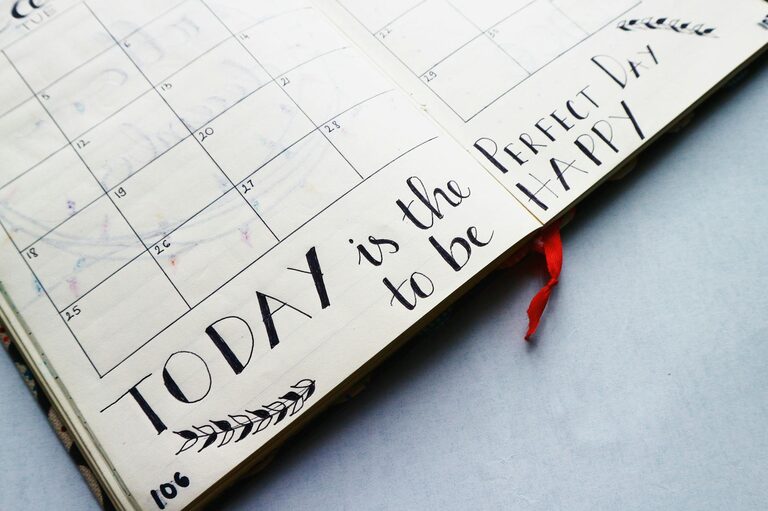
Bullet journaling has become a popular way to combine organization, creativity, and mindfulness in one simple notebook. If you’re new to bullet journaling, it can seem a little overwhelming at first. But don’t worry! This beginner guide will walk you through the basics so you can start your own bullet journal with confidence.
What Is a Bullet Journal?
A bullet journal, often called a “BuJo,” is a customizable planner system created by Ryder Carroll. It uses bullet points, collections, and symbols to help you track tasks, events, and ideas all in one place. The beauty of bullet journaling is that it’s flexible—you can design it to fit your lifestyle, whether you want a simple task list or an artistic diary.
Why Start a Bullet Journal?
Before diving into how to set one up, it helps to know why bullet journaling might be a good fit for you:
– Organization: Keep all your tasks, appointments, and notes in one place.
– Productivity: Prioritize tasks and track progress to stay focused.
– Creativity: Use colors, drawings, and layouts to express yourself.
– Mindfulness: Reflect on your day, habits, and goals.
– Customization: Design your journal to suit your unique needs.
Supplies You’ll Need
Getting started is easy. Most people start with just a few basic tools:
– Notebook: Dotted or grid notebooks are popular for bullet journaling because they provide structure, but plain or lined notebooks work fine too.
– Pens: A good black pen or fineliner is essential. You can add colored pens or markers if you want to get creative.
– Ruler: Helpful for drawing straight lines and neat layouts.
– Optional: Stickers, washi tape, stencils, or stamps for decoration.
Setting Up Your Bullet Journal: Step-by-Step
1. Index
The index is the table of contents for your journal. Reserve the first 2-4 pages for it. As you add collections or pages, number the pages and list them here for easy reference.
2. Future Log
This section is for planning ahead. It’s usually a 6-12 month calendar overview where you can jot down important dates like birthdays, appointments, or goals.
3. Monthly Log
At the start of each month, create a monthly log to list out:
– A calendar or timeline of the month’s days
– Monthly goals or priorities
– Important events or deadlines
4. Daily Log
This is where you write tasks, events, and notes for each day. You don’t need to pre-make these pages; simply start a new page each day, and list your bullet points as they come.
5. Collections
Collections are themed lists or trackers, such as:
– Habit trackers (e.g., water intake, exercise)
– Book lists or movies to watch
– Project plans
– Gratitude logs or mood trackers
You can create these anywhere in your journal and add them to your index.
Bullet Journal Symbols and Signifiers
Using consistent symbols helps you quickly identify the type of entry. Common ones include:
– • Task: A simple bullet for tasks
– ○ Event: A circle for events
– – Note: A dash for notes or ideas
– ✗ Task completed: An X marks completed tasks
– > Task migrated: An arrow pointing right to move tasks to another day
– < Task scheduled: An arrow pointing left for tasks scheduled in the future
Feel free to customize these to fit your style.
Tips to Keep Your Bullet Journal Going
– Start Simple: Don’t worry about making it perfect or artistic at first. Focus on functionality.
– Be Consistent: Try to update your journal daily, even if just for a few minutes.
– Review Regularly: At the end of the day or week, review your entries and migrate tasks you didn’t finish.
– Experiment: Try different layouts, trackers, or decoration styles to find what works best.
– Keep It Fun: Use doodles, colors, or stickers to make journaling enjoyable.
Common Mistakes to Avoid
– Overcomplicating: Avoid trying too many layouts or fancy designs right away.
– Skipping the Index: Without an index, you might find it hard to locate important pages.
– Ignoring Migration: Moving incomplete tasks helps keep your system clean and current.
– Being Too Rigid: Allow your bullet journal to evolve; there’s no one-size-fits-all.
Final Thoughts
Bullet journaling is a powerful tool that adapts to your needs, whether you want to track habits, organize your day, or capture creative ideas. Starting your bullet journal is as simple as grabbing a notebook and a pen. Remember, it’s your personal system, so make it work for you and enjoy the process of building better habits and planning your life with a creative flair!
Happy journaling!